

 English
 中文简体
中文简体 한국어
한국어 عربى
عربى

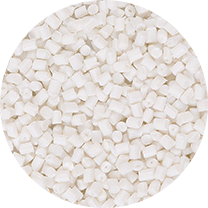

Meltblown Masterbatch Guide for Nonwoven Production
Article Directory
- 1 What Meltblown Masterbatch Is Used For in Nonwoven Fabric Production
- 2 How Meltblown Masterbatch Affects Filtration Efficiency
- 3 Key Properties Required for Meltblown Masterbatch in Mask Production
- 4 How Meltblown Masterbatch Is Used in PP Meltblown Manufacturing
- 5 Meltblown Masterbatch vs Spunbond Masterbatch: Key Differences
- 6 How Meltblown Masterbatch Influences Fiber Fineness and Air Permeability
- 7 Frequently Asked Questions About Meltblown Masterbatch
- 7.1 Can meltblown masterbatch be used with recycled PP resin?
- 7.2 How is the correct masterbatch dosage determined for a specific filtration grade?
- 7.3 Does meltblown masterbatch affect fabric shelf life and charge decay?
- 7.4 What is the difference between hydrophilic and hydrophobic meltblown masterbatch?
The quality ceiling of any meltblown nonwoven fabric is set not by the extrusion line alone, but by the additive chemistry carried inside every polypropylene pellet fed into it. Meltblown masterbatch determines fiber diameter, electrostatic charge retention, thermal stability under high-velocity airflow, and ultimately the filtration performance of the finished fabric — making it the most consequential variable in the entire meltblown production process.
1–5 um
Target Fiber Diameter
BFE 95%+
Bacterial Filtration Efficiency
1–5%
Typical Loading Ratio
MFI 1500+
Melt Flow Index (g/10 min)
What Meltblown Masterbatch Is Used For in Nonwoven Fabric Production
Meltblown masterbatch is a concentrated polypropylene-carrier additive blend that is metered into the PP resin feed stream to impart specific functional properties — charge enhancement, thermal stabilization, hydrophilicity or hydrophobicity, colorization, and antimicrobial activity — that the base resin alone cannot deliver. It is the primary formulation tool for converting commodity polypropylene into engineered filtration, medical, and hygiene nonwoven products.
Application sectors that depend on precisely formulated meltblown masterbatch include surgical mask and respirator production (ASTM F2100, EN 14683), industrial air filtration media (HEPA and MERV-rated panels), liquid filtration cartridges, oil-absorbent geotextiles, and specialty wipes for semiconductor cleanrooms. Each application demands a different additive profile, dosage rate, and carrier resin compatibility.
Core Definition
Meltblown masterbatch is a high-concentration polypropylene-based additive carrier — typically loaded at 40 to 80% active ingredient by weight — that is blended with base PP resin at 1 to 5% ratio to modify the melt rheology, surface energy, and electrostatic behavior of meltblown microfibers during the extrusion and attenuating process.
How Meltblown Masterbatch Affects Filtration Efficiency
Filtration efficiency in meltblown fabrics depends on three physical mechanisms: mechanical interception, inertial impaction, and electrostatic attraction. The electrostatic mechanism — responsible for capturing sub-micron particles well below the physical fiber diameter — is entirely governed by the charge-enhancement additives delivered by meltblown masterbatch. Fabrics produced without charge masterbatch achieve particle filtration efficiencies (PFE) of 30 to 50% for 0.3 micron particles; properly charged fabrics exceed 95% PFE under identical basis weight and fiber diameter conditions.
Charge-enhancing masterbatch formulations incorporate electret-forming compounds — typically fluorochemical or hindered amine-based additives — that become permanently polarized during the corona discharge or hydrocharging step downstream of the die. The masterbatch ensures additive dispersion is homogeneous at the single-fiber level, preventing localized charge-free zones that create filtration bypass paths.
Key Properties Required for Meltblown Masterbatch in Mask Production
Mask-grade meltblown fabric must simultaneously satisfy particle filtration, breathability, and skin-contact safety requirements. The meltblown masterbatch specification directly controls whether all three targets are met.
| Property | Required Specification | Masterbatch Contribution |
| Melt flow index compatibility | Base resin MFI 1200–1800 g/10 min | Carrier resin matched to processing window |
| Electret charge retention | Charge half-life 6 months minimum | Fluorochemical or HALS electret additive |
| Thermal stability | Stable at 200–280 C die temperature | Antioxidant package prevents degradation |
| Extractables and migration | ISO 10993 / EN 14683 compliant | Food-contact or medical grade additive selection |
| Fiber diameter consistency | CV below 15% across web width | Dispersion quality eliminates agglomerate defects |
| Hydrophobic surface energy | Water repellency AATCC 22 rating 80+ | Fluorocarbon or wax-type repellency additive |
How Meltblown Masterbatch Is Used in PP Meltblown Manufacturing
In a polypropylene meltblown line, meltblown masterbatch is introduced at the gravimetric blending stage upstream of the single-screw extruder. Precise metering — typically 1 to 5 parts masterbatch per 100 parts base PP resin — is controlled by a loss-in-weight feeder synchronized to the main resin throughput. Inaccurate dosing by even 0.5% can shift fiber diameter by 0.3 to 0.8 micrometers, directly impacting filtration grade.
01
Gravimetric Blending
Masterbatch pellets are metered into the PP resin hopper at the target ratio. Pellet size and density are matched to base resin to prevent segregation during conveying.
02
Melt Homogenization
The extruder screw homogenizes the blend at 200 to 280 C, dispersing additive packages uniformly throughout the melt before it reaches the die body.
03
Fiber Attenuation
High-velocity hot air (250 to 350 m/s) attenuates the melt streams to 1 to 5 micron diameter. Thermal stabilizers in the masterbatch prevent oxidative degradation during this high-shear, high-temperature stage.
04
Web Formation and Charging
Fibers are collected on a forming belt. The web then passes through corona or hydrocharging equipment, where electret additives from the masterbatch become permanently polarized to deliver filtration performance.
Meltblown Masterbatch vs Spunbond Masterbatch: Key Differences
While both are polypropylene-based nonwoven additive systems, meltblown masterbatch and spunbond masterbatch are formulated for fundamentally different process conditions and performance requirements.
Meltblown Masterbatch
- Ultra-high MFI carrier resin (800–1500 g/10 min)
- Electret and charge-enhancement additives
- Sub-micron fiber diameter target (1–5 um)
- Thermal stabilization at 250–300 C die temperature
- Filtration and barrier performance primary goal
- Low dosage (1–3%) to avoid die pressure buildup
Spunbond Masterbatch
- Mid-range MFI carrier resin (35–50 g/10 min)
- UV stabilizers, softeners, hydrophilics dominant
- Coarser fiber target (15–35 um)
- Process temperature 200–240 C spin beam range
- Strength, softness, and coverage primary goals
- Higher dosage (3–5%) for surface modification depth
How Meltblown Masterbatch Influences Fiber Fineness and Air Permeability
Fiber fineness and air permeability are inversely related in meltblown fabrics: finer fibers create denser webs with lower permeability but higher filtration efficiency. Meltblown masterbatch influences this balance through two mechanisms — melt viscosity modification and surface energy control.
Viscosity-reducing additives in the masterbatch lower the melt's resistance to attenuation, allowing the high-velocity air stream to draw fibers to smaller diameters without filament breaks. A reduction in melt viscosity of 15 to 20% at the die tip corresponds to a fiber diameter reduction of approximately 0.5 to 1.5 micrometers — enough to shift a fabric from MERV-13 to MERV-16 performance at the same basis weight. Surface energy modifiers then control how tightly the fine fibers bond at crossover points, setting the web's structural permeability independent of fiber diameter.
Frequently Asked Questions About Meltblown Masterbatch
Can meltblown masterbatch be used with recycled PP resin?
Recycled polypropylene carries contaminant loads and variable MFI that conflict with the tight rheological tolerances required for meltblown processing. Meltblown masterbatch formulated for rPP blends incorporates additional stabilizer packages and viscosity modifiers, but the maximum recycled content is typically capped at 10 to 15% to maintain fiber diameter consistency and filtration certification compliance.
How is the correct masterbatch dosage determined for a specific filtration grade?
Dosage is calibrated through trial runs that measure particle filtration efficiency (PFE at 0.3 micron) and pressure drop (delta-P) against the target standard — NIOSH N95, EN 149 FFP2, or ASTM F2100 Level 1/2/3. Most charge-enhancement meltblown masterbatch formulations reach optimal performance at 2 to 4% loading; higher doses offer diminishing filtration returns while increasing melt pressure and risk of die deposit formation.
Does meltblown masterbatch affect fabric shelf life and charge decay?
Yes. Electret charge in meltblown fabrics naturally decays over time, accelerated by humidity, heat, and oily aerosol exposure. High-quality meltblown masterbatch using fluorochemical electret additives delivers charge half-lives of 12 to 24 months under standard storage (23 C, 50% RH), compared to 3 to 6 months for standard hindered amine systems — a critical distinction for medical mask shelf-life certification.
What is the difference between hydrophilic and hydrophobic meltblown masterbatch?
Hydrophobic meltblown masterbatch raises surface energy barriers to liquid penetration, used in surgical mask outer layers and protective barrier fabrics. Hydrophilic grades lower surface energy to promote liquid wicking, applied in absorbent core layers, wound care materials, and filtration media where aqueous fluid transport through the web is required rather than repelled.
prevNo previous article
nextHow to Choose Injection White Masterbatch: TiO₂ Content, Dispersion, and Processing Performance

Popular products
The main products include various types of plastic film bags, such as takeout packaging bags, express bags, shopping bags, food composite bags, wrapping films, agricultural film, etc., and disposable dining utensils, such as lunch boxes, knives, forks, spoons, etc.
If you are interested in our products, please consult us
CONTACT DETAILS
- Address : 11-1, No. 600 Tongjiang Middle Road, Xinbei District, Changzhou City, Jiangsu Province
- Whatsapp : 0086-13775276672
- Tel: 0086-13401333666
- Email: [email protected]
QUICK LINK
NEWS CENTER
MOBILE TERMINAL
Copyright © Changzhou Runyi New Material Technology Co., Ltd. All Rights Reserved.
Custom China Antibacterial Masterbatch


 CONTACT US