

 English
 中文简体
中文简体 한국어
한국어 عربى
عربى


Functional Masterbatch: Types, Benefits & Applications
Article Directory
- 1 What Functional Masterbatch Is and How It Works
- 2 Functional Masterbatch Additive Types: A Complete Reference
- 3 Processing Efficiency Gains From Masterbatch Versus Raw Additives
- 4 Functional Masterbatch for Plastic Products: Key Application Sectors
- 5 Functional Masterbatch vs Filler Masterbatch: Understanding the Distinction
- 6 Specifying a Functional Masterbatch: Checklist for Procurement
Plastic manufacturers seeking consistent, scalable additive delivery have made functional masterbatch the industry-standard input across packaging, automotive, agriculture, and consumer goods production. Unlike raw powder additives that demand precise in-line weighing and risk uneven dispersion, functional masterbatch delivers pre-compounded active agents at controlled concentrations — eliminating dosing variability, reducing dust hazards, and enabling high-speed extrusion and injection moulding lines to maintain output quality without operator intervention at every production shift.
0.5 – 5% Typical let-down ratio by weight
40 – 80% Active additive loading in concentrate
CV <1.5% Dispersion coefficient of variation
200+ Active additive types commercially available
What Functional Masterbatch Is and How It Works
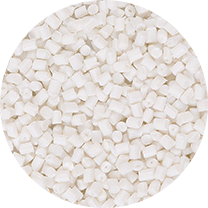
A functional masterbatch is a solid concentrate of one or more active additive agents dispersed at high loading into a compatible carrier resin, pelletized for direct addition to a base polymer during melt processing. The carrier resin — typically polyethylene, polypropylene, or a universal carrier — is selected to be chemically compatible with the host polymer and to melt at a temperature that ensures complete homogenization before the compound reaches the processing die or mould cavity.
Core Definition
A functional masterbatch is a carrier-resin pellet containing 40 to 80% active additive by weight, designed to be let down into a base polymer at 0.5 to 5% addition rate to impart a specific performance property — UV stabilization, antistatic behavior, flame retardancy, slip, or antimicrobial activity — without altering the host resin's processing window or base mechanical properties.
The global masterbatch market was valued at USD 13.2 billion in 2023 and is projected to reach USD 19.8 billion by 2031 at a CAGR of 5.3%, according to Allied Market Research — with functional grades growing faster than color masterbatch as regulatory requirements and end-use performance demands intensify across food packaging, medical devices, and infrastructure applications.
Functional Masterbatch Additive Types: A Complete Reference
Functional masterbatch additive types span every stage of a plastic product's life cycle — from processing stability through end-use performance to controlled degradation. The following categories represent the commercially dominant grades:
- UV Stabilizer Masterbatch Hindered amine light stabilizers (HALS) and UV absorbers (benzophenone, benzotriazole) protect outdoor-exposed polyolefins from photodegradation. Agricultural film grades extend field service life from under 12 months (unstabilized) to 3 to 5 seasons under high-UV-index conditions.
- Antioxidant Masterbatch Primary (phenolic) and secondary (phosphite, thioester) antioxidant systems prevent thermal-oxidative degradation during processing and long-term thermal aging in service — essential for multi-pass recycled resin processing where oxidative history accumulates.
- Antistatic Masterbatch Migrating amine or glycerol-based agents reduce surface resistivity from greater than 10E14 ohm/sq (standard PE) to below 10E9 ohm/sq — preventing electrostatic dust attraction in electronics packaging and eliminating ignition risk in fuel system components.
- Flame Retardant Masterbatch Halogen-free (intumescent phosphorus-nitrogen systems) and brominated grades achieve UL 94 V-0 classification in PP, ABS, and PA at addition rates of 15 to 30% — meeting IEC 60695 and RoHS Directive requirements for electrical and electronic equipment housings.
- Slip and Anti-block Masterbatch Erucamide or oleamide slip agents reduce film surface friction coefficient from 0.5 to below 0.15 — enabling high-speed film winding and packaging line operation without film-to-film adhesion losses.
- Antimicrobial Masterbatch Silver-ion zeolite or zinc pyrithione active systems provide durable antimicrobial efficacy to medical device surfaces, food contact packaging, and HVAC components — ISO 22196 log-reduction values of 2 to 5 achievable at 1 to 3% addition rates.
- Anti-fog Masterbatch Glycerol ester surfactant systems prevent moisture condensation droplet formation on food packaging film surfaces — critical for fresh produce and chilled ready-meal packaging where visibility and moisture management are regulatory and commercial requirements.
Processing Efficiency Gains From Masterbatch Versus Raw Additives
Switching from raw powder or liquid additive dosing to functional masterbatch delivers measurable processing efficiency improvements across four operational dimensions that compound over annual production volumes:
01
Dosing Precision
Gravimetric masterbatch feeders achieve addition accuracy of plus or minus 0.1% versus plus or minus 3 to 8% for manual powder weighing — eliminating over-dosing waste and under-dosing quality failures across multi-ton production runs.
02
Line Speed Compatibility
Pre-compounded masterbatch pellets feed through standard volumetric or gravimetric blenders at line speeds above 300 m/min on film extrusion lines — powder additives cause bridging and inconsistent flow at these throughputs.
03
Housekeeping and Safety
Pelletized masterbatch eliminates airborne dust, reducing respiratory exposure risk and cleaning downtime between product changeovers. ATEX-classified dust zones around additive handling areas are eliminated, lowering facility compliance costs.
04
Shelf Stability
Encapsulated additives in a carrier resin matrix have significantly extended shelf life versus open powder storage — antioxidants in masterbatch form retain full efficacy for 24 months versus 6 to 12 months for hygroscopic powder grades exposed to humidity.
Functional Masterbatch for Plastic Products: Key Application Sectors
Functional masterbatch for plastic products serves demanding performance requirements across every major polymer-processing sector. Application fit depends on base resin compatibility, processing temperature, and end-use regulatory environment.
| Sector | Primary Functional Masterbatch Types | Key Performance Requirement |
| Agricultural Film | UV stabilizer, anti-fog, anti-drip | 3 – 5 season outdoor durability, condensate control |
| Food Packaging | Antistatic, slip, anti-block, anti-fog | Line speed, FDA/EU 10/2011 food contact compliance |
| Electrical and Electronic | Flame retardant, antistatic, antimicrobial | UL 94 V-0, IEC 61340 ESD, RoHS compliance |
| Automotive | UV stabilizer, antioxidant, slip | Interior outgassing limits (VDA 278), heat aging (1,000 h at 120°C) |
| Medical Devices | Antimicrobial, antistatic, nucleating | ISO 10993 biocompatibility, ISO 22196 antimicrobial efficacy |
| Construction and Pipe | UV stabilizer, antioxidant, anti-block | ISO 4427 pressure rating retention, 50-year design life |
Functional Masterbatch vs Filler Masterbatch: Understanding the Distinction
The functional masterbatch versus filler masterbatch distinction defines the purpose of the concentrate — a critical distinction for compounders specifying materials for performance-driven versus cost-driven objectives.
Functional Masterbatch
- Purpose: impart a specific performance property (UV, flame, antistatic)
- Active loading: 40 – 80% specialty active agent
- Addition rate: 0.5 – 5% of base polymer by weight
- Cost basis: higher unit cost, low addition rate — net cost efficient
- Effect on mechanical properties: neutral when correctly specified
- Regulatory path: subject to REACH, RoHS, food contact approvals per active type
Filler Masterbatch
- Purpose: reduce polymer content and material cost per kg of finished part
- Active loading: 60 – 80% mineral filler (CaCO3, talc, BaSO4)
- Addition rate: 10 – 40% of base polymer by weight
- Cost basis: lower unit cost, high addition rate — cost reduction tool
- Effect on mechanical properties: reduced elongation, increased stiffness and density
- Regulatory path: generally lower regulatory burden — mineral fillers
In practice, many compound specifications call for both: a filler masterbatch reduces resin consumption cost while one or more functional masterbatch grades restore performance properties reduced by the filler loading — a balancing act that requires compound-level testing to validate before production release.
Specifying a Functional Masterbatch: Checklist for Procurement
Provide the following parameters to a masterbatch supplier to receive an accurately matched grade recommendation and technical data sheet with compatibility confirmation:
- Base resin type and MFI (e.g. LLDPE, MFI 1.0 g/10 min at 190°C/2.16 kg)
- Processing method and melt temperature range (extrusion, injection moulding, blow moulding)
- Required performance function and target test standard (e.g. UV: ISO 4892-2, 2,000 h)
- End-use environment and service temperature
- Regulatory requirements (FDA, EU 10/2011, RoHS, REACH SVHC)
- Target addition rate and preferred carrier resin
- Annual volume and packaging format (25 kg bags, 500 kg octabins, bulk)

Popular products
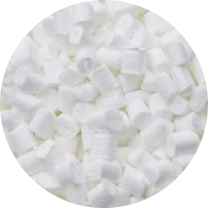
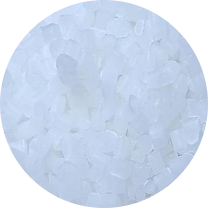
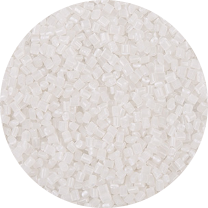
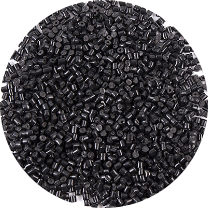
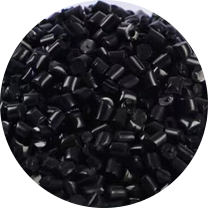
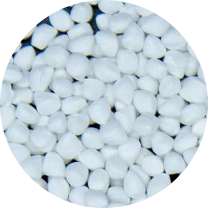
The main products include various types of plastic film bags, such as takeout packaging bags, express bags, shopping bags, food composite bags, wrapping films, agricultural film, etc., and disposable dining utensils, such as lunch boxes, knives, forks, spoons, etc.
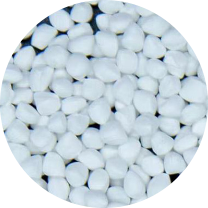
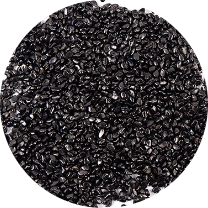
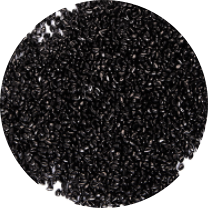
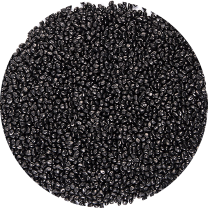
If you are interested in our products, please consult us
CONTACT DETAILS
- Address : 11-1, No. 600 Tongjiang Middle Road, Xinbei District, Changzhou City, Jiangsu Province
- Whatsapp : 0086-13775276672
- Tel: 0086-13401333666
- Email: [email protected]
QUICK LINK
NEWS CENTER
MOBILE TERMINAL
Copyright © Changzhou Runyi New Material Technology Co., Ltd. All Rights Reserved.
Custom China Antibacterial Masterbatch


 CONTACT US