

 English
 中文简体
中文简体 한국어
한국어 عربى
عربى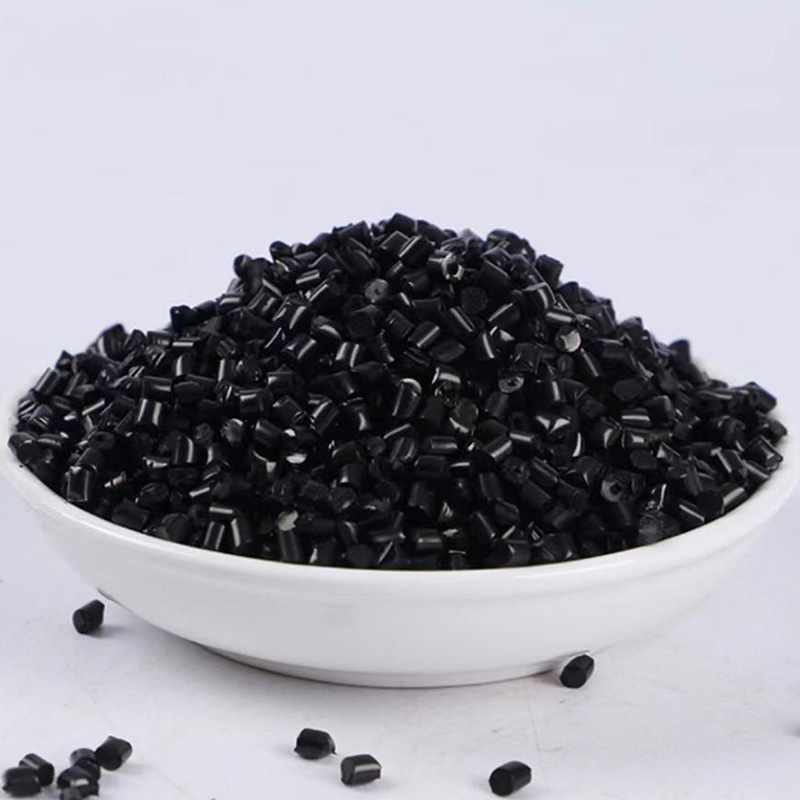



Wholesale Non-Woven Fabrics Spunbond Nonwovens Carbon Black Masterbatch
Home / Products / Nonwoven Masterbatch / Non-Woven Fabrics Spunbond Nonwovens Carbon Black Masterbatch


Non-Woven Fabrics Spunbond Nonwovens Carbon Black Masterbatch
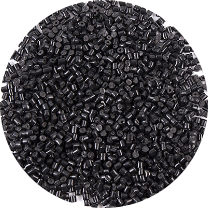
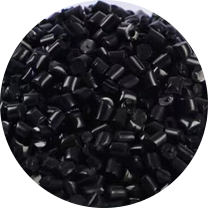
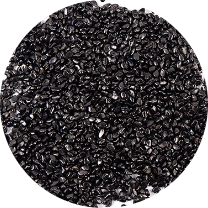
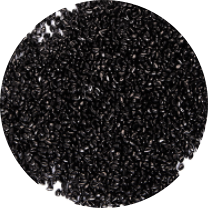
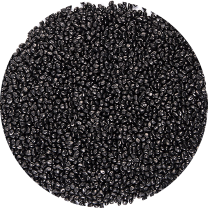
Carbon black masterbatch is used as a black pigment product in non-woven fabrics. Carbon black masterbatch is composed of carbon black and polymer. In the manufacturing process of spun-bond non-woven fabrics, carbon black masterbatch is used as a filler and Masterbatch can increase the hardness and wear resistance of fibers, improve the mechanical properties of fibers, and give non-woven fabrics a deep and uniform black color. The Non-Woven Fabrics Spunbond Nonwovens Carbon Black Masterbatch pigment in the carbon black masterbatch forms a supporting structure inside the fiber, improving the tensile strength and anti-folding properties of the non-woven fabric. As a color masterbatch, carbon black masterbatch can ensure uniform color distribution in non-woven fabrics and prevent color from becoming lighter or discolored.

![{$v2['title']](/template/en/images/a-icon.png "Non-Woven Fabrics Spunbond Nonwovens Carbon Black Masterbatch")
Description
Product introduction: PP new material base, 45% high purity, high pigment carbon black masterbatch, add a variety of additives, It is made with unique technology.
High dyeing power and shading power, non-woven special high flow black masterbatch, the selection of high color fastness carbon black, polypropylene substrate preparation, and its advantages for bright black color. This black mother mesh is fine, the non-woven fabric spinning process will not block the net, dispersion is good, is a cost-effective black mother.
Add ratio: 2%~4%
This black masterbatch is tailor-made for PP non-woven fabric, a special material, and is also used for coloring PP polypropylene chemical fiber.
Add ratio: 2%~4%
This black masterbatch is tailor-made for PP non-woven fabric, a special material, and is also used for coloring PP polypropylene chemical fiber.
High-performance carbon black masterbatch, with polypropylene (PP)/polyester (PET) as carrier resin, carbon black content of 40-50%, designed for high-speed spinning process. The product adopts nano-scale carbon black dispersion technology to ensure zero pigment precipitation during fiber forming, significantly improving the uniformity and mechanical properties of non-woven fabrics.
Core advantages:
Efficient coloring: 1.5-3% addition can achieve deep black uniform coloring, and the hiding power is 30% better than the industry standard
Functional enhancement: Simultaneously impart anti-ultraviolet (UV ≥ 8 levels), anti-static (surface resistance ≤ 10^9Ω) and thermal conductivity properties
Process adaptation: Melt index range 25-35g/10min (230℃/2.16kg), perfect match 250-350m/min high-speed spunbond production line
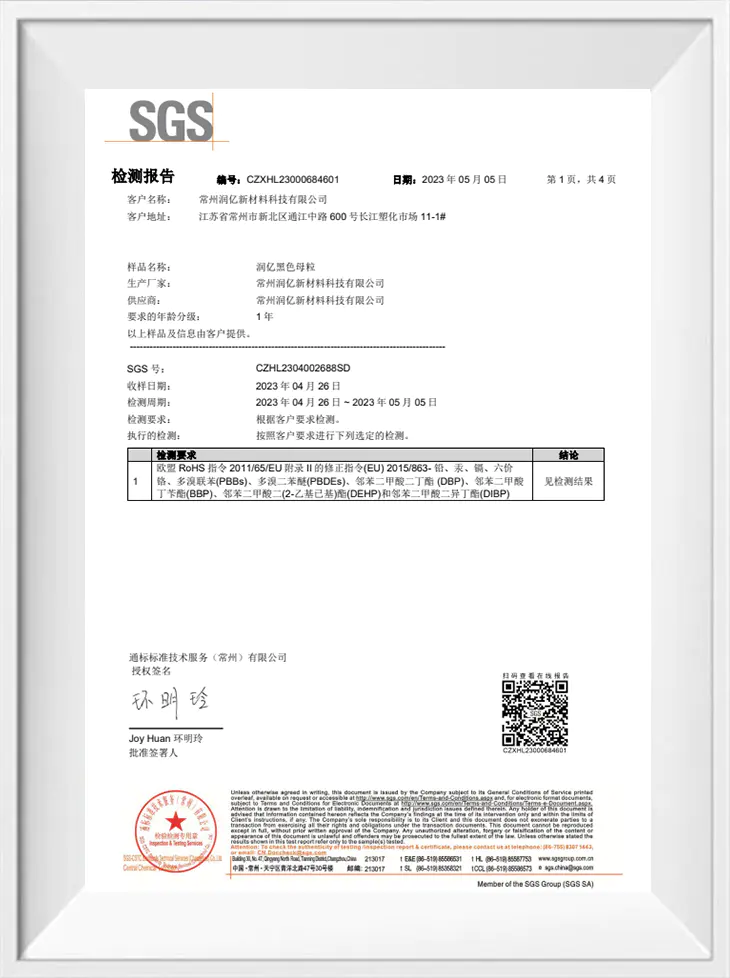
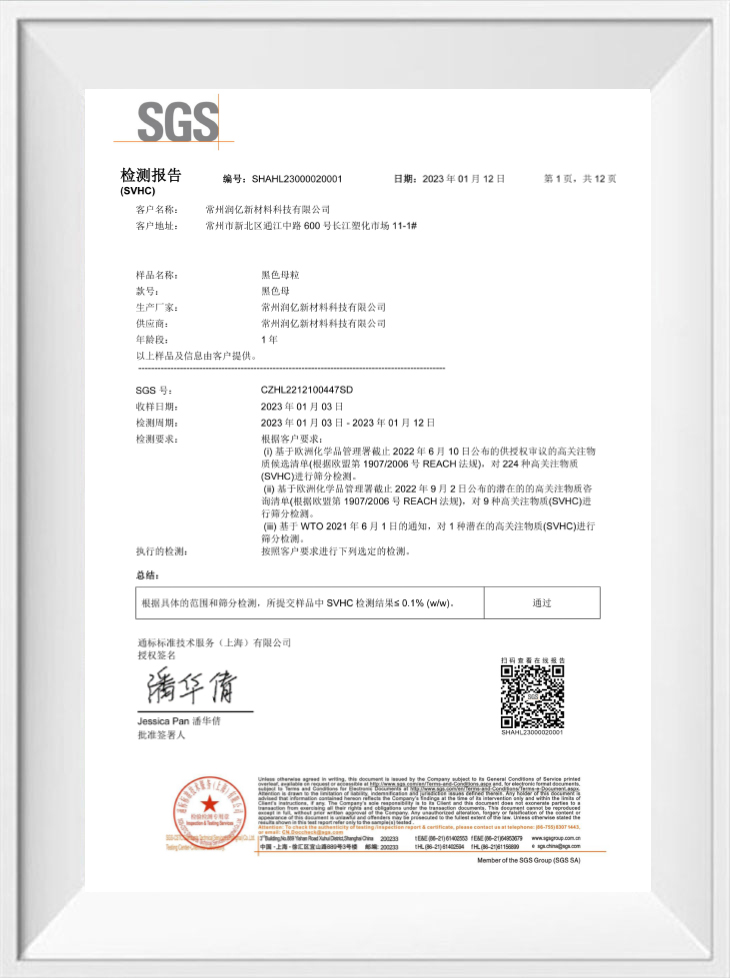
Applicable to high-end fields such as medical protection, agricultural mulch, sanitary materials, etc., and passed FDA, RoHS and ISO10993 biocompatibility certification. We provide customized formulation services to help customers optimize cost structure, and can reduce costs by 8-12% per ton of products.
Get in Touch With Us

Who Are We?
Changzhou Runyi New Material Technology Co., Ltd.
We are
Wholesale Non-Woven Fabrics Spunbond Nonwovens Carbon Black Masterbatch Suppliers and
Wholesale OEM/ODM Non-Woven Fabrics Spunbond Nonwovens Carbon Black Masterbatch Factory.
Changzhou Runyi New Material Technology Co., Ltd. relying on the unique market and geographical advantages of the Yangtze River Delta, and through long-term unremitting efforts, has developed into a well-known color masterbatch production and sales enterprise that integrates research and development, production, sales, and export. Over the years, the company has cultivated a group of professional talents and has become the main force of the company, while accumulating rich production experience.
Popular products
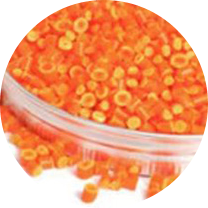
The main products include various types of plastic film bags, such as takeout packaging bags, express bags, shopping bags, food composite bags, wrapping films, agricultural film, etc., and disposable dining utensils, such as lunch boxes, knives, forks, spoons, etc.
News
-
Why Injection White Masterbatch Is Widely Used in...
Plastic manufacturers rarely add raw titanium dioxide powder to a mold anymore. Instead, injection white masterbat...
READ MORE -
How to Choose Injection White Masterbatch for Pla...
Technical Note Getting a consistent white across thousands of injection-molded parts is harder than it looks — raw...
READ MORE -
How to Choose Carbon Black Masterbatch for Plasti...
Choosing the right Carbon Black Masterbatch affects far more than the final color of a plastic part. The carbon b...
READ MORE -
Functional Masterbatch: Types, Benefits & Applica...
Plastic manufacturers seeking consistent, scalable additive delivery have made functional masterbatch the industry...
READ MORE -
Meltblown Masterbatch Guide for Nonwoven Producti...
The quality ceiling of any meltblown nonwoven fabric is set not by the extrusion line alone, but by the additive c...
READ MORE
Non-Woven Fabrics Spunbond Nonwovens Carbon Black Masterbatch Industry knowledge
Is Quality Control the Key to Reliable Non-Woven Black Masterbatch Production?
Throughout the production process, rigorous quality control measures are implemented to ensure the consistency, performance, and safety of non-woven black masterbatch. Quality control is integral to every stage of production, from raw material sourcing to final product packaging.
1. Raw Material Inspection:
Before production begins, raw materials such as carrier resins, carbon black pigments, and additives undergo thorough inspection and testing. Each batch of raw materials is subjected to stringent quality checks to ensure it meets specified standards for purity, composition, and performance. Any deviations from quality parameters result in rejection or reprocessing of the materials.
2. In-process Monitoring:
During compounding and extrusion, continuous monitoring and sampling are conducted to assess the consistency of the mixture and the quality of the melt. Parameters such as temperature, pressure, viscosity, and dispersion are closely monitored using automated control systems and inline instrumentation. Any deviations or abnormalities are promptly identified and corrected to maintain process stability and product quality.
3. Laboratory Testing:
Samples are collected at regular intervals throughout the production process and subjected to comprehensive laboratory testing. These tests evaluate various properties such as color intensity, dispersion quality, thermal stability, mechanical strength, and chemical resistance. Advanced analytical techniques, including spectrophotometry, rheology, and microscopy, are employed to ensure accurate and reliable results.
4. Performance Testing:
In addition to laboratory testing, non-woven black masterbatch undergoes performance testing to assess its suitability for specific applications. This may involve fabricating test samples or prototypes using the masterbatch and evaluating key performance indicators such as color fastness, UV resistance, tensile strength, tear resistance, and dimensional stability. Performance testing helps validate the masterbatch's compliance with industry standards and customer requirements.
5. Compliance and Certification:
Non-woven black masterbatch manufacturers adhere to relevant regulatory standards and certifications governing the production and use of additives in various industries. Compliance with standards such as ISO 9001 (Quality Management Systems) and ISO 14001 (Environmental Management Systems) demonstrates a commitment to quality, safety, and environmental responsibility. Additionally, masterbatch formulations may undergo certification by regulatory authorities or third-party testing laboratories to ensure they meet specific industry specifications and performance criteria.
6. Traceability and Documentation:
Throughout the production process, meticulous records are maintained to track the origin, processing parameters, and test results of each batch of non-woven black masterbatch. Comprehensive documentation ensures traceability and transparency, enabling swift identification of any quality issues or product recalls. This documentation also serves as a valuable resource for process optimization, continuous improvement, and customer support.
In summary, quality control is a fundamental aspect of non-woven black masterbatch production, encompassing rigorous inspection, testing, and documentation procedures at every stage of the manufacturing process.
If you are interested in our products, please consult us
CONTACT DETAILS
- Address : 11-1, No. 600 Tongjiang Middle Road, Xinbei District, Changzhou City, Jiangsu Province
- Fax : 0086-13775276672
- Tel: 0086-13401333666
- Email: [email protected]
QUICK LINK
NEWS CENTER
MOBILE TERMINAL
Copyright © Changzhou Runyi New Material Technology Co., Ltd. All Rights Reserved.
China Non-Woven Fabrics Spunbond Nonwovens Carbon Black Masterbatch Factory


 CONTACT US