

 English
 中文简体
中文简体 한국어
한국어 عربى
عربى

NEWS
Home / News / Industry News / Why is UV Stability a Critical Factor When Selecting a Plastic Black Masterbatch for Outdoor Infrastructure?


Why is UV Stability a Critical Factor When Selecting a Plastic Black Masterbatch for Outdoor Infrastructure?
Article Directory
- 1 1. The Science of Photo-Oxidative Degradation in Polymers
- 2 2. Carbon Black Dispersion and its Role in Infrastructure Safety
- 3 3. Thermal Management and Heat Buildup in Outdoor Systems
- 4 4. Technical Specifications for Infrastructure Projects
- 5 5. Conclusion: Longevity Through Advanced Chemistry
- 6 Frequently Asked Questions (FAQ)
- 6.1 1. How does UV radiation specifically damage plastic black masterbatch without stabilizers?
- 6.2 2. What is the best black masterbatch for outdoor use in irrigation?
- 6.3 3. Does carbon black content in black masterbatch affect the UV protection?
- 6.4 4. Can black masterbatch for HDPE pipes also be used in other polymers?
- 6.5 5. How to improve UV resistance in black plastic for telecommunication ducts?
- 7 Industry References
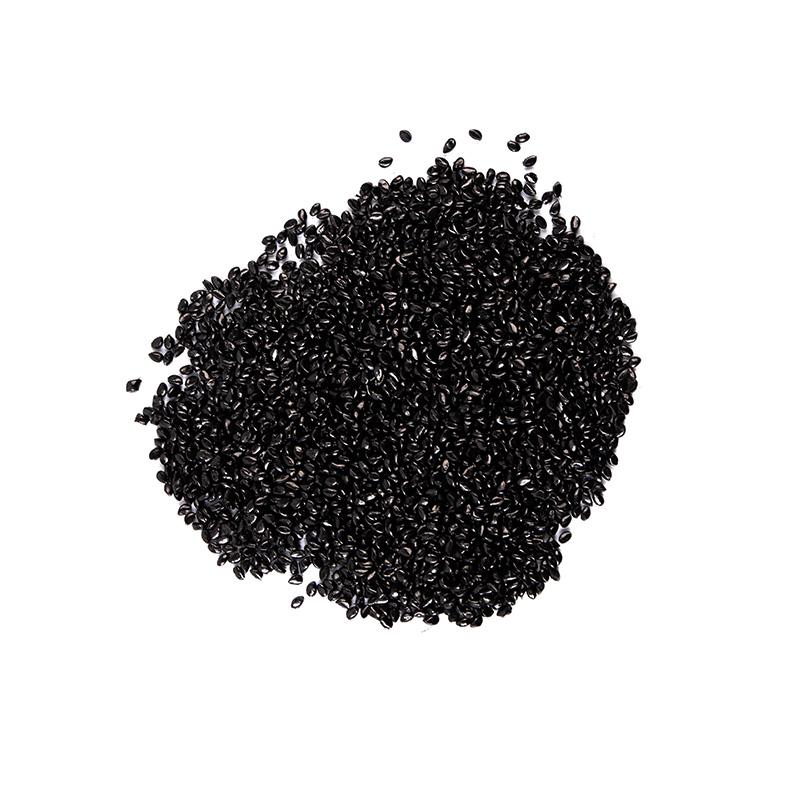
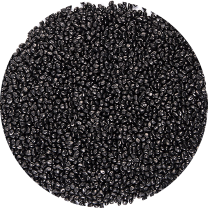
In the engineering of outdoor infrastructure—ranging from geomembranes and irrigation pipes to telecommunication ducts—the longevity of polymer components is constantly threatened by solar radiation. Selecting a high-performance plastic black masterbatch is the primary defense mechanism against photo-oxidation. Changzhou Runyi New Material Technology Co., Ltd., strategically located in the Yangtze River Delta, has established itself as a leader in the R&D and export of specialized color masterbatches. Since 2020, our dedicated research teams have pioneered advancements in carbon black products and electret masterbatches, ensuring all outputs meet rigorous international standards. For infrastructure engineers, understanding the synergy between UV resistant black masterbatch and polymer matrix stability is vital for preventing structural failure.
1. The Science of Photo-Oxidative Degradation in Polymers
Ultraviolet (UV) radiation triggers a free-radical chain reaction in plastics, leading to polymer chain scission and cross-linking. Without a proper plastic black masterbatch, infrastructure components experience "chalking," surface cracking, and a rapid loss of mechanical properties. Carbon black acts as the most cost-effective UV absorber by converting light energy into heat, which is then dissipated throughout the polymer matrix. When evaluating how to improve UV resistance in black plastic, the choice of carbon black grade (such as P-type or SRF) is paramount. High-purity grades provide a broader absorption spectrum than standard industrial dyes, effectively shielding the underlying molecular structure from harmful wavelengths.
Comparison: Standard Black Dye vs. UV-Stabilized Masterbatch
Standard dyes only provide aesthetic coloring, whereas a UV-stabilized masterbatch provides a functional barrier that extends the material's service life by decades.
| Performance Metric | Standard Black Pigment/Dye | UV-Stabilized Plastic Black Masterbatch |
| UV Absorption Range | Narrow (Visual spectrum only) | Broad (UVA and UVB Protection) |
| Surface Degradation | Rapid (Cracking within 6-12 months) | Minimal (Resistant for 10-25+ years) |
| Tensile Strength Retention | Low (Significant drop after exposure) | High (Retains structural integrity) |
2. Carbon Black Dispersion and its Role in Infrastructure Safety
The efficacy of a plastic black masterbatch is not just dependent on the concentration of carbon black, but on its dispersion quality. High quality carbon black dispersion ensures that there are no "micro-windows" through which UV light can penetrate. Poorly dispersed particles create stress concentration points, which accelerate mechanical failure under load. Changzhou Runyi New Material Technology Co., Ltd. utilizes advanced production lines to achieve sub-micron dispersion levels, which is critical for black masterbatch for HDPE pipes and other high-pressure infrastructure. Superior dispersion also enhances the antioxidant synergy, as the carbon black works in tandem with chemical HALS (Hindered Amine Light Stabilizers) to neutralize free radicals.
Comparison: Dispersion Quality and Failure Rates
Inconsistent dispersion leads to localized degradation, while high-uniformity masterbatches provide a consistent protective shield across the entire surface area.
| Dispersion Grade | Agglomerate Size | Risk of Premature Failure |
| Low Grade (Generic) | > 50 Microns | High (Stress cracking risk) |
| Standard Grade | 15 - 30 Microns | Moderate (Suitable for indoor use) |
| Changzhou Runyi Grade | < 5 Microns | Very Low (Optimized for Infrastructure) |
3. Thermal Management and Heat Buildup in Outdoor Systems
Infrastructure exposed to direct sunlight can reach extreme surface temperatures. A common question among procurement officers is what is the best black masterbatch for outdoor use. While carbon black is excellent for UV protection, its high thermal absorption can cause thermal expansion issues in large-scale piping. Modern engineering solves this by balancing the carbon black loading with specialized carrier resins that have high thermal stability. Changzhou Runyi prioritizes energy conservation and consumption reduction during production, creating masterbatches that offer maximum UV protection while minimizing the negative thermal effects on the polymer's dimensional stability.
4. Technical Specifications for Infrastructure Projects
For large-scale projects, engineers must specify the carbon black content in black masterbatch, typically ranging from 20% to 50% depending on the application. For geomembranes used in landfills or reservoirs, a 2-3% final loading of a high-quality plastic black masterbatch is often the gold standard. Furthermore, the benefits of high loading black masterbatch include lower overall material usage and improved processing efficiency during extrusion or injection molding. Our electrodes and carbon black products follow international standards, ensuring that the electrical conductivity (if required for antistatic pipes) and UV stability remain constant throughout the product's life cycle.
Key Engineering Requirements:
- Carrier Compatibility: Ensuring the masterbatch resin matches the base polymer (PE, PP, or PS) to prevent delamination.
- Moisture Control: Utilizing vacuum-sealed packaging to prevent porosity in the final extruded infrastructure.
- Electret Compatibility: For specialized filtration infrastructure, our melt-blown and electret masterbatches maintain performance without interference from the carbon black matrix.
- Environmental Compliance: Ensuring the absence of heavy metals and adherence to global environmental protection regulations.
5. Conclusion: Longevity Through Advanced Chemistry
UV stability is not an optional feature for outdoor infrastructure; it is a fundamental requirement for safety and economic viability. A plastic black masterbatch engineered for high-UV environments prevents the catastrophic failure of water systems, telecommunication networks, and structural foundations. Changzhou Runyi New Material Technology Co., Ltd. continues to innovate in the field of color and functional masterbatches, providing the global market with the technological excellence and win-win cooperation necessary for 21st-century infrastructure development.
Frequently Asked Questions (FAQ)
1. How does UV radiation specifically damage plastic black masterbatch without stabilizers?
UV light breaks the chemical bonds in the polymer (scission), which leads to brittleness. Without a UV-stabilized masterbatch, the plastic loses its flexibility and strength, eventually crumbling under environmental stress.
2. What is the best black masterbatch for outdoor use in irrigation?
For irrigation, a masterbatch with high-purity P-type carbon black and a high quality carbon black dispersion is recommended. This ensures that the pipes can withstand 10-20 years of direct sunlight without leaking.
3. Does carbon black content in black masterbatch affect the UV protection?
Yes, but only to a certain point. Generally, a final concentration of 2% to 2.5% carbon black in the finished product is sufficient for UV protection. Increasing the loading in the masterbatch itself (e.g., a 50% loading) simply makes the production process more efficient.
4. Can black masterbatch for HDPE pipes also be used in other polymers?
It is best to use a carrier resin that is compatible with the base material. While some universal carriers exist, Changzhou Runyi recommends matching the masterbatch carrier to the base polymer for the best mechanical results in infrastructure.
5. How to improve UV resistance in black plastic for telecommunication ducts?
Combine a high-dispersion plastic black masterbatch with secondary antioxidants and HALS. This multi-layered approach protects the polymer during both the high-temperature extrusion process and its long-term outdoor service life.
Industry References
- ASTM D1603: Standard Test Method for Carbon Black Content in Olefin Plastics.
- ISO 4892: Plastics — Methods of exposure to laboratory light sources.
- Plastic Pipe Institute (PPI) Technical Reports on UV Degradation.
- Changzhou Runyi Internal R&D: Performance Analysis of Electret and Black Masterbatch Systems (2024).
prevNo previous article
nextOptimizing Carrier Resin Compatibility for 50% Concentration Carbon Black Master Batch

Popular products
The main products include various types of plastic film bags, such as takeout packaging bags, express bags, shopping bags, food composite bags, wrapping films, agricultural film, etc., and disposable dining utensils, such as lunch boxes, knives, forks, spoons, etc.
If you are interested in our products, please consult us
CONTACT DETAILS
- Address : 11-1, No. 600 Tongjiang Middle Road, Xinbei District, Changzhou City, Jiangsu Province
- Whatsapp : 0086-13775276672
- Tel: 0086-13401333666
- Email: [email protected]
QUICK LINK
NEWS CENTER
MOBILE TERMINAL
Copyright © Changzhou Runyi New Material Technology Co., Ltd. All Rights Reserved.
Custom China Antibacterial Masterbatch


 CONTACT US