

 English
 中文简体
中文简体 한국어
한국어 عربى
عربى

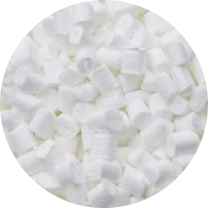

Nonwoven Electret Masterbatch Manufacturers

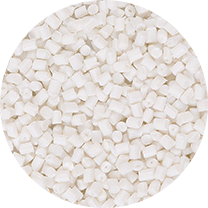
Product Category
Get in Touch With Us


Who Are We?
Changzhou Runyi New Material Technology Co., Ltd.
We are
China Nonwoven Electret Masterbatch Manufacturers and
Custom Carbon Black Polyvinyl Masterbatch Suppliers.
Changzhou Runyi New Material Technology Co., Ltd. relying on the unique market and geographical advantages of the Yangtze River Delta, and through long-term unremitting efforts, has developed into a well-known color masterbatch production and sales enterprise that integrates research and development, production, sales, and export. Over the years, the company has cultivated a group of professional talents and has become the main force of the company, while accumulating rich production experience.
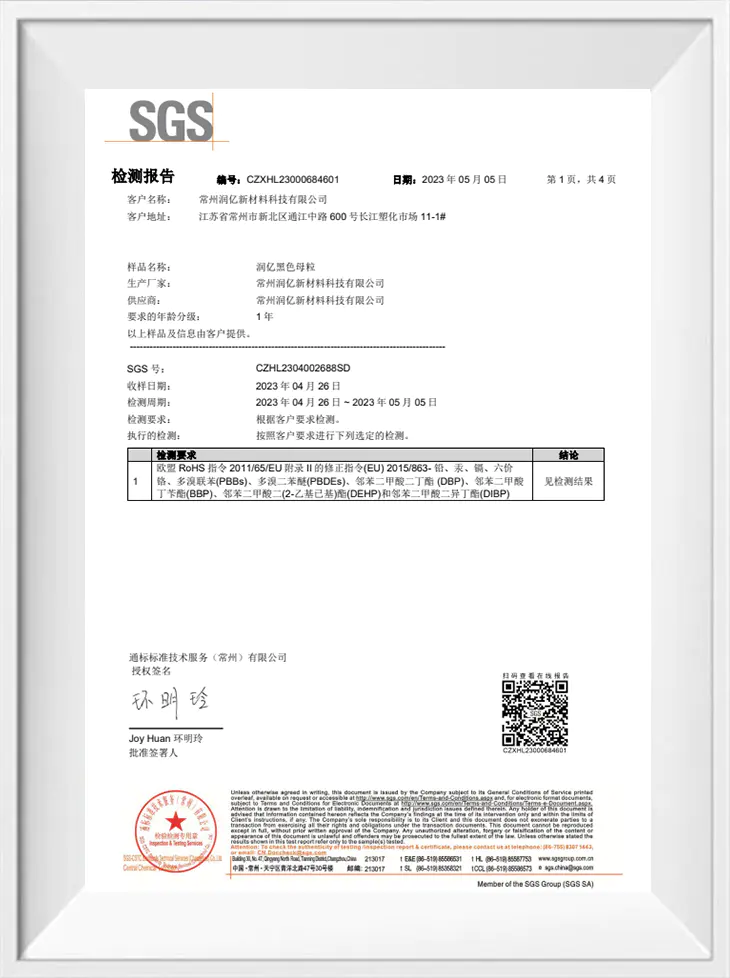
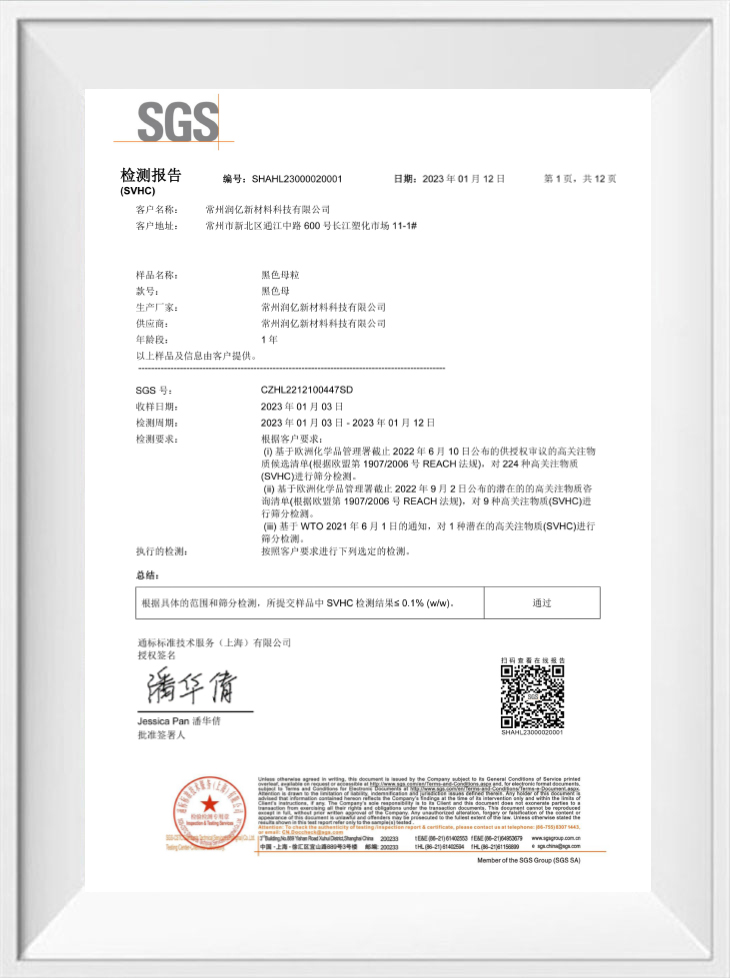
Popular products
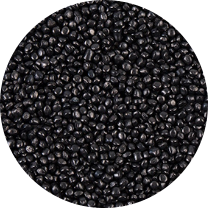
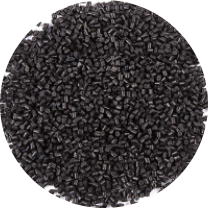
The main products include various types of plastic film bags, such as takeout packaging bags, express bags, shopping bags, food composite bags, wrapping films, agricultural film, etc., and disposable dining utensils, such as lunch boxes, knives, forks, spoons, etc.
News
-
Why Injection White Masterbatch Is Widely Used in Moder...
Plastic manufacturers rarely add raw titanium dioxide powder to a mold anymore. Instead, injection white masterbatch delivers that same whitening power in a cl...
READ MORE -
How to Choose Injection White Masterbatch for Plastic I...
Technical Note Getting a consistent white across thousands of injection-molded parts is harder than it looks — raw pigment behaves differently batch to batch, ...
READ MORE -
How to Choose Carbon Black Masterbatch for Plastic Colo...
Choosing the right Carbon Black Masterbatch affects far more than the final color of a plastic part. The carbon black grade, its dispersion quality, and the c...
READ MORE -
Functional Masterbatch: Types, Benefits & Applications
Plastic manufacturers seeking consistent, scalable additive delivery have made functional masterbatch the industry-standard input across packaging, automotive,...
READ MORE
Nonwoven Electret Masterbatch Industry Knowledge Extension
The key role of electret masterbatch in the filter layer of medical masks and selection guide
1. The core role of electret masterbatch
Electrostatic adsorption enhances filtration efficiency
Electret masterbatch makes melt-blown non-woven fabric carry persistent electrostatic charge through corona charging or friction charging, which can adsorb particles of 0.1~5μm (such as viruses, PM2.5), and increase the mechanical filtration efficiency (only 30%~50%) to more than 95% (such as N95 standard).
Key indicators: charge density, half-life (charge stability).
Reducing breathing resistance
Replacing some physical barriers through electrostatic adsorption, reducing the number of fiber layers, maintaining high filtration efficiency while optimizing air permeability (such as BFE ≥ 95%, pressure difference ≤ 50Pa).
Long-term guarantee
High-quality electret masterbatch needs to resist environmental factors such as humidity and high temperature to avoid charge decay (such as storage period ≥ 2 years).
2. Key points for selecting electret masterbatch for medical masks
Material type
PP-based electret masterbatch: most commonly used, suitable for melt-blown process, requires the addition of charge enhancers such as silica and tourmaline.
PLA-based electret masterbatch: a degradable and environmentally friendly option, but the charge stability challenge is greater.
Charge performance parameters
Initial filtration efficiency: ≥95% (corresponding to N95/KN95 standards).
Charge half-life: recommended >12 months (accelerated aging test: 48 hours efficiency drop <5% at 85℃/85%RH).
Additive compatibility
Avoid reaction with anti-aging agents and masterbatches, and test the charge stability after blending.
Process adaptability
No decomposition at melt-blown temperature (usually 200~250℃), fluidity (MFI≥500g/10min) matches production line requirements.
3. Solutions to common problems
Question 1: Does the filtration efficiency decrease with storage time?
Masterbatches containing hydrophobic modifiers (such as silane coupling agent coated SiO2) are preferred.
Question 2: Is the charge of the meltblown cloth uneven?
Check the dispersibility of the masterbatch. It is recommended to add 5%~10% diffusion oil during premixing.
If you are interested in our products, please consult us
CONTACT DETAILS
- Address : 11-1, No. 600 Tongjiang Middle Road, Xinbei District, Changzhou City, Jiangsu Province
- Fax : 0086-13775276672
- Tel: 0086-13401333666
- Email: [email protected]
QUICK LINK
NEWS CENTER
MOBILE TERMINAL
Copyright © Changzhou Runyi New Material Technology Co., Ltd. All Rights Reserved.
Custom Carbon Black Polyvinyl Masterbatch Suppliers


 CONTACT US