

 English
 中文简体
中文简体 한국어
한국어 عربى
عربى

NEWS
Home / News / Industry News / How Does Carbon Black Concentration in plastic black masterbatch Affect the Mechanical Properties of Injection-Molded Parts?


How Does Carbon Black Concentration in plastic black masterbatch Affect the Mechanical Properties of Injection-Molded Parts?
Article Directory
- 1 1. The Correlation Between Carbon Black Loading and Tensile Strength
- 2 2. Impact Resistance and the Importance of Carbon Black Dispersion
- 3 3. Elongation at Break and Environmental Stress Cracking
- 4 4. Specialized Applications: Melt Blown and Electret Masterbatch
- 5 Frequently Asked Questions (FAQ)
- 5.0.1 1. What is the ideal carbon black percentage for outdoor plastic parts?
- 5.0.2 2. How does the carrier resin affect the mechanical properties?
- 5.0.3 3. Can carbon black masterbatch improve the heat resistance of a part?
- 5.0.4 4. Why is dispersion more important than concentration for impact strength?
- 5.0.5 5. What are the benefits of using melt blown fabric black masterbatch?
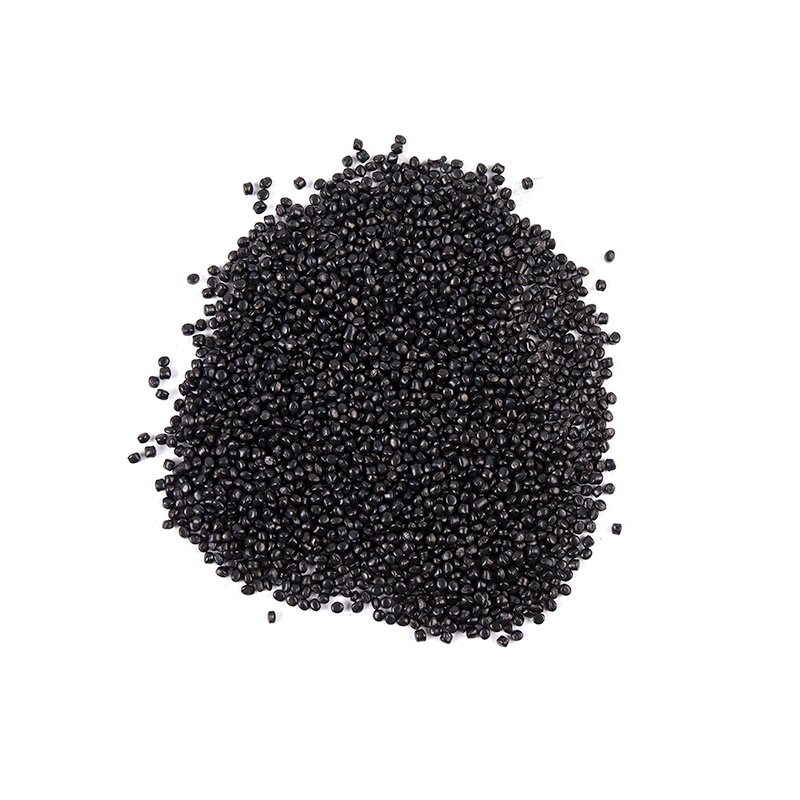
In the precision world of polymer engineering, plastic black masterbatch serves as much more than a simple colorant. For B2B manufacturers and injection molders, understanding the relationship between carbon black (CB) concentration and the mechanical integrity of the final part is critical. While carbon black provides the necessary opacity and UV protection, its role as a semi-reinforcing filler means that improper dosage can lead to catastrophic failures in tensile strength, impact resistance, and elongation at break.
Changzhou Runyi New Material Technology Co., Ltd., strategically located in the Yangtze River Delta, has established itself as a leader in this field since our founding. By integrating R&D with advanced production, we have developed specialized solutions, including melt blown fabric black masterbatch and fluorocarbon polymer electret masterbatch. Since 2020, our dedicated R&D team has focused on producing carbon black products according to international standards, ensuring that every batch maximizes energy conservation and environmental protection while maintaining peak mechanical performance.
1. The Correlation Between Carbon Black Loading and Tensile Strength
The concentration of carbon black within the polymer matrix directly influences the intermolecular forces of the molded part. At optimal levels, a high pigment black masterbatch can slightly enhance the stiffness of a part. However, as the concentration exceeds a specific threshold (typically 2-3% of the total part weight), the carbon black particles may begin to act as stress concentrators rather than reinforcing agents, leading to increased brittleness.
According to the 2024-2025 Global Plastic Additives Market Report by the International Organization for Standardization (ISO), achieving a "critical pigment volume concentration" (CPVC) is essential for maintaining polymer chain flexibility while ensuring deep black aesthetics.
Source: ISO 18553: Method for the assessment of the degree of pigment or carbon black dispersion
| Concentration Level | Mechanical Impact on Polymer | Industrial Application Suitability |
| Low (0.5% - 1.5%) | High ductility, standard opacity. | Flexible packaging and thin films. |
| Optimal (2.0% - 3.0%) | Balanced tensile strength and UV stability. | Automotive components and structural parts. |
| High (> 5.0%) | Increased stiffness but high brittleness. | Non-load bearing electrical housings. |
2. Impact Resistance and the Importance of Carbon Black Dispersion
It is not just the concentration that matters, but the carbon black dispersion in polymers. Poorly dispersed masterbatch creates clusters or agglomerates that become weak points during impact. For engineers, using a carrier resin compatible black masterbatch is non-negotiable to ensure that the carbon black is evenly distributed, thereby preserving the Izod impact strength of the molded part.
At Changzhou Runyi New Material Technology Co., Ltd., we utilize professional talents and decades of production experience to optimize the shearing process. This ensures that our uv resistant black masterbatch for outdoors provides a homogenous barrier against photo-oxidation without compromising the toughness of the plastic substrate.
3. Elongation at Break and Environmental Stress Cracking
High concentrations of carbon black often result in a significant reduction in "elongation at break." This means the plastic part becomes less likely to stretch and more likely to snap under sudden stress. Furthermore, the chemical purity of the carbon black used in the plastic black masterbatch affects the part's resistance to environmental stress cracking (ESC). Low-quality fillers can introduce impurities that accelerate polymer degradation.
Technical data from the European Plastic Distributors Association (EPDA) 2024 standards suggests that high-purity furnace blacks significantly outperform cheaper alternatives in maintaining the long-term creep resistance of polyethylene and polypropylene parts.
Source: EPDA Technical Guidelines for Engineering Plastics 2024
| Property | Pure Polymer Part | Part with Optimized plastic black masterbatch |
| UV Degradation Rate | Very High (cracks within months) | Extremely Low (decades of stability) |
| Elongation at Break | Maximum flexibility | Slightly reduced (approx. 5-10% decrease) |
| Thermal Conductivity | Insulative | Slightly increased (aids heat dissipation) |
4. Specialized Applications: Melt Blown and Electret Masterbatch
In the specialized sector of non-woven fabrics, the requirements for melt blown fabric black masterbatch are even more stringent. Since 2020, our research has focused on the filtration efficiency and "charge-holding" capabilities of water electret and fluorocarbon polymer electret masterbatches. In these applications, the carbon black must be of a specific particle size to prevent nozzle clogging while maintaining the electrostatic properties necessary for high-efficiency filtration.
- Fine Particle Size: Prevents filter blockage in melt blown lines.
- Ionic Purity: Critical for oil electret masterbatch to maintain stable polarization.
- Eco-Efficiency: Our production lines are designed for energy conservation and consumption reduction.
Conclusion
In summary, the concentration and quality of plastic black masterbatch are the defining factors in the lifespan and reliability of injection-molded parts. By selecting a high pigment black masterbatch with superior carbon black dispersion in polymers, manufacturers can achieve a perfect balance between aesthetic depth and mechanical performance. Changzhou Runyi New Material Technology Co., Ltd. remains committed to technological innovation and excellence, providing win-win cooperation for our global partners.
Frequently Asked Questions (FAQ)
1. What is the ideal carbon black percentage for outdoor plastic parts?
For most outdoor applications, a concentration of 2.0% to 2.5% of high-quality furnace black in the final part is recommended. Using a uv resistant black masterbatch for outdoors at this level provides the best protection against ultraviolet radiation without making the part too brittle.
2. How does the carrier resin affect the mechanical properties?
The carrier resin should ideally match or be compatible with the base polymer. Using a carrier resin compatible black masterbatch ensures that the interface between the masterbatch and the base plastic is seamless, preventing delamination and maintaining tensile strength.
3. Can carbon black masterbatch improve the heat resistance of a part?
Yes, carbon black can slightly improve the heat deflection temperature (HDT) of a polymer by acting as a filler. However, its primary thermal benefit is its ability to absorb and dissipate heat more efficiently than non-pigmented plastics.
4. Why is dispersion more important than concentration for impact strength?
Even a low concentration of carbon black can cause part failure if it is poorly dispersed. Agglomerates act as "notches" or cracks within the plastic. High-quality carbon black dispersion in polymers ensures that the filler is part of the structure rather than an obstacle to it.
5. What are the benefits of using melt blown fabric black masterbatch?
Our melt blown fabric black masterbatch is specifically filtered and formulated for the ultra-fine fibers used in masks and filtration systems. It ensures consistent color and UV protection without compromising the breathability or filtration efficiency of the fabric.
prevNo previous article
nextHow Does Carbon Black Master Batch Dispersion Quality Affect the Lifespan of Outdoor HDPE Pipes?

Popular products
The main products include various types of plastic film bags, such as takeout packaging bags, express bags, shopping bags, food composite bags, wrapping films, agricultural film, etc., and disposable dining utensils, such as lunch boxes, knives, forks, spoons, etc.
If you are interested in our products, please consult us
CONTACT DETAILS
- Address : 11-1, No. 600 Tongjiang Middle Road, Xinbei District, Changzhou City, Jiangsu Province
- Whatsapp : 0086-13775276672
- Tel: 0086-13401333666
- Email: [email protected]
QUICK LINK
NEWS CENTER
MOBILE TERMINAL
Copyright © Changzhou Runyi New Material Technology Co., Ltd. All Rights Reserved.
Custom China Antibacterial Masterbatch


 CONTACT US