

 English
 中文简体
中文简体 한국어
한국어 عربى
عربى

NEWS
Home / News / Industry News / Can Choosing a High-Concentration Carbon Black Masterbatch Significantly Reduce Your Plastic Production Costs?


Can Choosing a High-Concentration Carbon Black Masterbatch Significantly Reduce Your Plastic Production Costs?
Article Directory
- 1 Understanding the Correlation Between Concentration and Unit Output
- 2 The Impact of Dispersion on Operational Efficiency
- 3 Application-Specific Cost Optimizations
- 4 Long-Term Durability and Material Longevity
- 5 Conclusion: Achieving a Win-Win through Technological Excellence
- 6 Frequently Asked Questions (FAQ)
In the competitive landscape of polymer processing, the selection of additives is a critical determinant of both product quality and operational expenditure. For B2B procurement professionals and engineers, the question is not merely the price per ton, but the total cost of ownership. Utilizing a carbon black master batch with optimized pigment loading can drastically alter the economics of production. Changzhou Runyi New Material Technology Co., Ltd., leveraging the strategic advantages of the Yangtze River Delta, has spent years refining the chemistry of high-loading concentrates to meet these industrial demands.
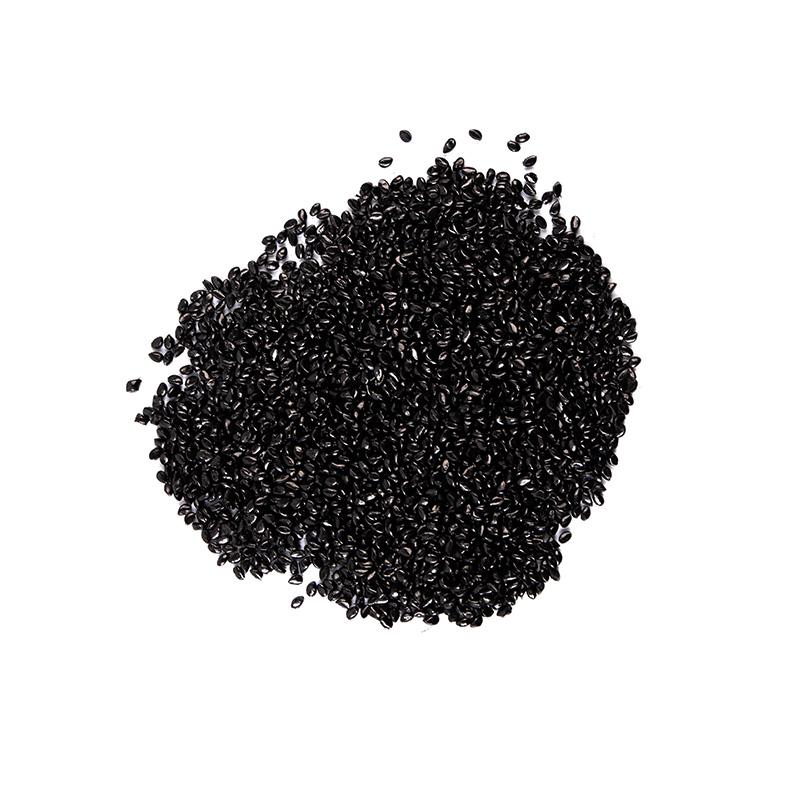
Understanding the Correlation Between Concentration and Unit Output
The primary driver for cost reduction when using a high-loading concentrate is the Let-Down Ratio (LDR). A higher pigment concentration allows for a lower dosage of masterbatch to achieve the same opacity and color depth, thereby reducing the volume of carrier resin purchased and transported. For example, when selecting a high concentration carbon black masterbatch for thin films, the reduction in LDR directly translates to thinner, stronger films with higher pigment density.
While standard masterbatches may require a 3-5% LDR, high-concentration variants often achieve the same results at 1-2%, significantly lowering the cost per unit of the finished plastic part.
| Feature | Standard Masterbatch | High-Concentration Masterbatch |
| Pigment Loading | 25% - 35% | 40% - 55%+ |
| Average Let-Down Ratio (LDR) | 3% - 5% | 1% - 2% |
| Storage & Logistics Cost | Higher (Greater volume needed) | Lower (Less material required for same output) |
The Impact of Dispersion on Operational Efficiency
Poor dispersion is the leading cause of "nibs" or surface defects, which lead to high scrap rates. Following the carbon black masterbatch dispersion quality standards is essential for maintaining smooth extrusion and injection processes. Advanced manufacturing, such as the lines at Runyi New Material, ensures that carbon black particles are thoroughly de-agglomerated and encapsulated within the carrier resin.
Reducing Screw Wear and Filter Clogging
Well-dispersed masterbatches reduce the backpressure in extruders, which minimizes energy consumption and extends the lifespan of expensive machinery components. Conversely, poorly processed batches cause frequent filter changes and downtime.
Recent technical breakthroughs in 2024 emphasize the use of high-viscosity-matched carrier resins to ensure the pigment spreads uniformly during the melting phase, a standard now being adopted by ISO-compliant facilities.
Source: ISO 18332:2024 Textiles and Polymers - Carbon Black Dispersion Testing Standards
Application-Specific Cost Optimizations
The cost-benefit analysis varies significantly across different sectors, from precision non-wovens to heavy-duty industrial molding.
Precision Engineering for Melt Blown Fabrics
Since 2020, research into melt blown fabric black masterbatch filtration efficiency has shown that the interaction between the carbon black particles and electret additives (such as fluorocarbon polymers) is vital. High-quality masterbatches must maintain the electrostatic charge of the fabric while providing uniform coloration, ensuring that the final mask or filter media meets global safety standards without increasing material waste.
Performance in Mass Production
When evaluating a cost effective black masterbatch for injection molding, the focus shifts to cycle times. High-quality additives provide better thermal conductivity, which can slightly reduce cooling times in the mold, allowing for more parts to be produced per hour.
| Production Metric | Injection Molding Application | Melt Blown Fabric Application |
| Priority Benefit | Cycle time and surface finish | Filtration grade and charge retention |
| Cost Savings Driver | Low LDR and reduced scrap | High-performance-to-weight ratio |
Long-Term Durability and Material Longevity
For outdoor applications, the masterbatch serves a dual purpose: aesthetic coloring and UV stabilization. Carbon black is the most effective UV absorber, but its efficiency depends on particle size and concentration. Selecting a UV resistant carbon black masterbatch for outdoor plastics ensures that the end product—such as agricultural film or geomembranes—does not degrade prematurely under solar radiation.
Global market reports from 2025 indicate that the infrastructure and construction sectors are increasingly demanding masterbatches that guarantee 10+ years of UV stability, driving technical innovation in "P-type" and "SRF-type" carbon black grades.
Source: ASTM D1603 - Standard Test Method for Carbon Black in Olefin Plastics
Conclusion: Achieving a Win-Win through Technological Excellence
Choosing a high-concentration carbon black master batch is a strategic move that balances upfront additive costs with significant back-end production savings. By reducing energy consumption, minimizing waste, and maximizing let-down ratios, manufacturers can achieve a sustainable "win-win" scenario. At Changzhou Runyi New Material Technology Co., Ltd., we remain committed to technological innovation and excellence, providing international standard electrodes and carbon black products that empower our partners to excel in a demanding market.
Frequently Asked Questions (FAQ)
- Does high concentration always mean better quality?
Not necessarily. While high loading reduces LDR, the carbon black masterbatch dispersion quality standards must still be met to prevent surface defects and mechanical weakness. - How does a high-concentration batch help with environmental goals?
By reducing the LDR, you use less carrier resin and decrease the carbon footprint associated with shipping and storing larger quantities of material. - Can I use the same masterbatch for thin films and injection molding?
While possible, it is better to use a specialized high concentration carbon black masterbatch for thin films because the dispersion requirements for films are much more stringent to prevent pinholes. - What makes a black masterbatch "UV resistant"?
A UV resistant carbon black masterbatch for outdoor plastics uses specific particle sizes (typically under 20nm) to effectively scatter and absorb ultraviolet radiation before it can break the polymer chains. - How does Runyi ensure the quality of its melt blown masterbatch?
Our dedicated R&D team utilizes multiple production lines to test melt blown fabric black masterbatch filtration efficiency and ensure compatibility with water and oil electret systems.
prevNo previous article
nextHow Does Carbon Black Concentration in plastic black masterbatch Affect the Mechanical Properties of Injection-Molded Parts?

Popular products
The main products include various types of plastic film bags, such as takeout packaging bags, express bags, shopping bags, food composite bags, wrapping films, agricultural film, etc., and disposable dining utensils, such as lunch boxes, knives, forks, spoons, etc.
If you are interested in our products, please consult us
CONTACT DETAILS
- Address : 11-1, No. 600 Tongjiang Middle Road, Xinbei District, Changzhou City, Jiangsu Province
- Whatsapp : 0086-13775276672
- Tel: 0086-13401333666
- Email: [email protected]
QUICK LINK
NEWS CENTER
MOBILE TERMINAL
Copyright © Changzhou Runyi New Material Technology Co., Ltd. All Rights Reserved.
Custom China Antibacterial Masterbatch


 CONTACT US