

 English
 中文简体
中文简体 한국어
한국어 عربى
عربى

NEWS
Home / News / Industry News / Conductive vs. Pigment-Grade: Technical Analysis of Carbon Black Master Batch


Conductive vs. Pigment-Grade: Technical Analysis of Carbon Black Master Batch
Article Directory
- 1 Fundamental Definitions of Carbon Black Specialization
- 2 Conductive Carbon Black Masterbatch: The Science of Percolation
- 3 Pigment-Grade Masterbatch: Achieving Deep Jetness and Opacity
- 4 Key Technical Differences: Comparative Analysis
- 5 Advanced Applications in Modern Manufacturing
- 6 Excellence in Manufacturing: The Changzhou Runyi Approach
- 7 Frequently Asked Questions (FAQ)
- 7.1 1. Can I use a pigment-grade masterbatch for anti-static applications?
- 7.2 2. Why is "structure" important in conductive carbon black?
- 7.3 3. How does carbon black provide UV protection?
- 7.4 4. What are the challenges in producing masterbatch for melt blown fabrics?
- 7.5 5. Does high tinting strength affect the mechanical properties of the plastic?
In the high-stakes world of polymer engineering, choosing the right carbon black master batch is not merely a matter of color. It is a decision based on the specific electrical, optical, and mechanical requirements of the end product. While both conductive and pigment-grade materials share a common origin, their molecular architectures and performance profiles differ significantly to meet the needs of diverse industrial sectors.
Fundamental Definitions of Carbon Black Specialization
The performance of a carbon black master batch is primarily dictated by three factors: particle size, structure (aggregate complexity), and surface chemistry. Pigment-grade materials prioritize fine particle size for maximum light absorption, whereas conductive grades focus on high-structure aggregates to facilitate electron transport through the polymer matrix.
Conductive Carbon Black Masterbatch: The Science of Percolation
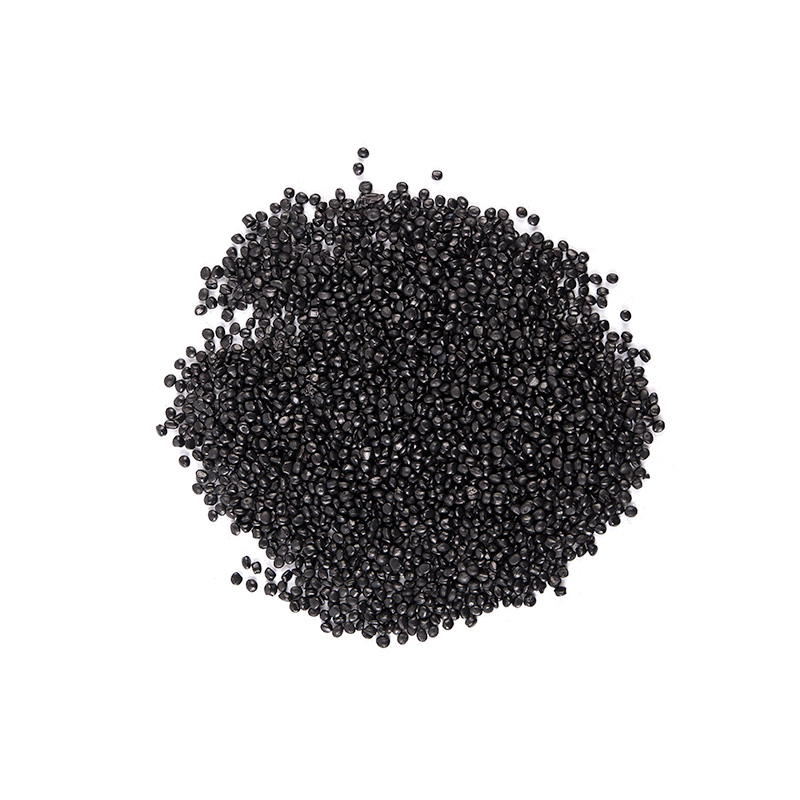
Conductive grades are engineered to reach the "percolation threshold" at lower loading levels. This is achieved by using carbon blacks with high "structure," meaning the individual particles are fused into complex, branched chains. When used in conductive carbon black masterbatch for electronics, these chains create a 3D network that allows electricity to flow across the plastic part, preventing electrostatic discharge (ESD) or providing electromagnetic interference (EMI) shielding.
Technically, conductive grades often have a higher surface area and porosity. While pigment grades focus on aesthetic uniformity, conductive formulations focus on maintaining mechanical integrity while optimizing resistivity. The shift toward electrification in global markets has intensified this need.
Source: International Energy Agency - Critical Minerals in Industrial Plastics 2024
Pigment-Grade Masterbatch: Achieving Deep Jetness and Opacity
Pigment-grade masterbatches are designed to provide the highest possible "jetness" (darkness) and tinting strength. For high-end consumer goods, a high tinting strength black masterbatch is essential to achieve a premium look with minimal material usage. The goal here is dispersion—ensuring every carbon black aggregate is fully wetted and separated to prevent streaking and surface defects.
Compared to conductive types, pigment grades often have smaller primary particle sizes, which increases the total surface area available for light absorption. This ensures total opacity even in thin-walled applications like films or packaging.
Key Technical Differences: Comparative Analysis
The technical differentiation between these two categories can be summarized by their structural intent and surface treatment. Conductive grades are functional fillers, while pigment grades are optical enhancers.
| Technical Property | Conductive Grade | Pigment Grade |
| Primary Objective | Lowering electrical resistivity (ESD/EMI) | Maximizing jetness and tinting strength |
| Aggregate Structure | High structure (complex, branched chains) | Variable (usually low to medium structure) |
| Typical Particle Size | 30nm to 100nm | 10nm to 25nm (for high jetness) |
| Key Industry Standards | IEC 61340 (ESD Control) | ISO 18314 (Color Measurement) |
| Surface Chemistry | Low oxygen content for better conductivity | Surface-treated for optimal dispersion/wetting |
Advanced Applications in Modern Manufacturing
Technological breakthroughs in 2024 have expanded the use of specialized carriers in masterbatch production. For instance, the demand for carbon black master batch for melt blown fabric has grown in the filtration sector, requiring ultra-fine dispersion to avoid clogging spinnerets. Simultaneously, infrastructure projects require UV resistant black masterbatch for plastics to protect long-term outdoor assets from photo-degradation caused by solar radiation.
According to recent updates from the International Organization for Standardization regarding plastic pipe and film longevity, the integration of high-purity carbon black is now essential for meeting 25-year service life benchmarks in harsh environments.
Source: ISO Standards for Plastic Durability and Weathering 2024-2025
Excellence in Manufacturing: The Changzhou Runyi Approach
Changzhou Runyi New Material Technology Co., Ltd. leverages the geographical advantages of the Yangtze River Delta to deliver world-class masterbatch solutions. Our R&D efforts are deeply focused on black masterbatch production process and equipment innovation. Since 2020, we have expanded our capabilities to include melt blown fabric masterbatches and various electret masterbatches, including fluorocarbon and water-based types. Our production follows international standards, ensuring that every carbon black master batch we export meets the strict performance requirements of our global partners, while maximizing energy conservation and environmental protection.
Frequently Asked Questions (FAQ)
1. Can I use a pigment-grade masterbatch for anti-static applications?
Generally, no. Pigment-grade masterbatches lack the high-structure network required for conductivity. For ESD protection, you must use a specific conductive carbon black masterbatch for electronics.
2. Why is "structure" important in conductive carbon black?
Structure refers to the complexity of the carbon black aggregates. A higher structure creates more pathways for electrons to travel, which is critical for achieving conductivity at lower loading levels.
3. How does carbon black provide UV protection?
Carbon black is one of the most effective UV absorbers. A UV resistant black masterbatch for plastics works by absorbing harmful ultraviolet radiation and converting it into harmless heat, protecting the polymer chains from breaking.
4. What are the challenges in producing masterbatch for melt blown fabrics?
The primary challenge is filtration. A carbon black master batch for melt blown fabric must have exceptional dispersion to ensure that no large particles block the microscopic holes in the melt blown production line.
5. Does high tinting strength affect the mechanical properties of the plastic?
If a high tinting strength black masterbatch is used, you can achieve the desired color with lower loading, which often helps preserve the original mechanical properties of the base resin compared to using high amounts of low-quality pigment.
prevNo previous article
nextCan Choosing a High-Concentration Carbon Black Masterbatch Significantly Reduce Your Plastic Production Costs?

Popular products
The main products include various types of plastic film bags, such as takeout packaging bags, express bags, shopping bags, food composite bags, wrapping films, agricultural film, etc., and disposable dining utensils, such as lunch boxes, knives, forks, spoons, etc.
If you are interested in our products, please consult us
CONTACT DETAILS
- Address : 11-1, No. 600 Tongjiang Middle Road, Xinbei District, Changzhou City, Jiangsu Province
- Whatsapp : 0086-13775276672
- Tel: 0086-13401333666
- Email: [email protected]
QUICK LINK
NEWS CENTER
MOBILE TERMINAL
Copyright © Changzhou Runyi New Material Technology Co., Ltd. All Rights Reserved.
Custom China Antibacterial Masterbatch


 CONTACT US