

 English
 中文简体
中文简体 한국어
한국어 عربى
عربى

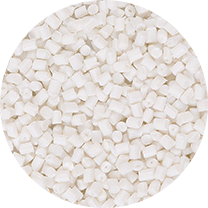

Functional Property Masterbatch: Enhancing Polymer Performance
Article Directory
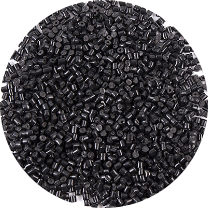
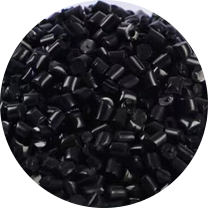
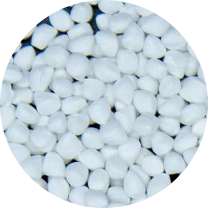
A Functional Property Masterbatch is the most efficient and mathematically precise method for imparting specific performance characteristics—such as UV stabilization, flame retardancy, anti-static properties, and antimicrobial defense—into raw polymer bases during thermal processing. By pre-dispersing high concentrations of active additives into a compatible carrier resin, it eliminates the blending inaccuracies, dust hazards, and poor distribution issues common with raw powder additives, ensuring optimal mechanical integrity and uniform protection throughout the final plastic product.
Critical Performance Formulations and Targeted Applications
Modifying the physical chemistry of polymers requires highly specialized additive matrices. Rather than altering the entire polymerization process, manufacturers introduce functional masterbatches during extrusion or injection molding to achieve specific target parameters. The choice of active agent determines the field survival rate and lifespan of the material under environmental stress.
| Masterbatch Type | Active Chemical Compound | Standard Dosage (%) | Measurable Performance Metric |
|---|---|---|---|
| UV Stabilizer (HALS) | Hindered Amine Light Stabilizers | 1.5% - 3.0% | Retains over 85% tensile strength after 2000 hours of intense QUV weatherometer testing. |
| Flame Retardant | Brominated organics or Halogen-Free APP | 4.0% - 8.0% | Achieves UL-94 V-0 rating at a thickness profile down to 1.6 mm. |
| Permanent Anti-Static | Ethoxylated fatty alkylamines / Inherently Dissipative Polymers | 2.0% - 5.0% | Reduces surface resistivity down to a range of 10^9 to 10^11 ohms per square meter. |
| Antimicrobial Barrier | Silver ion complex matrices | 1.0% - 2.0% | Demonstrates greater than 99.9% bacterial reduction efficiency based on ISO 22196. |
Optimizing Compatibility and Carrier Resin Rheology
A common failure mode in plastic compounding is the thermodynamic incompatibility between the masterbatch carrier and the primary structural resin. For maximum dispersion, the melt flow index of the masterbatch carrier must be engineered to be higher than that of the base polymer, allowing the active components to migrate uniformly during plasticization without causing phase separation or localized brittle points.
Industrial Case Study: An agricultural film manufacturer utilizing standard Low-Density Polyethylene (LDPE) experienced severe tearing during blown film extrusion due to poorly dispersed zinc oxide anti-block powders. By transitioning to a dedicated linear low-density polyethylene (LLDPE) based functional anti-block masterbatch at a 2.5% let-down ratio, bubble stability was restored instantly, film gauge variation dropped by 6%, and optical clarity remained completely uncompromised.
Key Production Advantages Over Direct Powder Compounding
Directly feeding raw chemical additives into processing machinery presents significant operational bottlenecks. Utilizing granular masterbatches yields predictable, repeatable manufacturing outcomes across several operational areas:
- Precise Dosing Control Pelletized additives match the geometric shape and density of standard plastic pellets, preventing material segregation or settling in the feeding hopper, which ensures a highly consistent dosing curve.
- Moisture and Contamination Protection Many active chemical powders are highly hygroscopic. Encapsulating these agents within a hydro-phobic polymer matrix shields them from atmospheric moisture absorption, significantly extending raw material shelf-life.
- Equipment Longevity and Lower Wear Abrasive flame retardant powders induce heavy friction and mechanical wear on the extrusion screw and barrel. Pre-dispersed masterbatches drastically lower abrasive contact, extending screw maintenance lifecycles by up to 35%.
Processing Guidelines and Extrusion Parameters
To prevent the thermal degradation of the active components within the masterbatch, processing temperatures must be monitored with extreme precision. For instance, when utilizing an organic foaming or blowing agent masterbatch, the melt zone temperatures must be maintained strictly below the activation threshold until the molten polymer enters the final shaping die, preventing premature gas release and structural sink marks.

Popular products
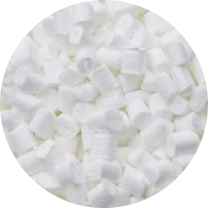
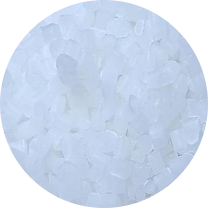
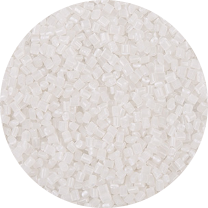
The main products include various types of plastic film bags, such as takeout packaging bags, express bags, shopping bags, food composite bags, wrapping films, agricultural film, etc., and disposable dining utensils, such as lunch boxes, knives, forks, spoons, etc.
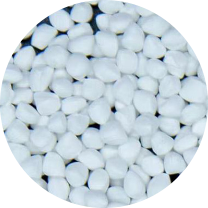
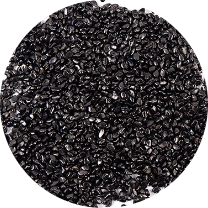
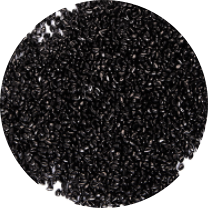
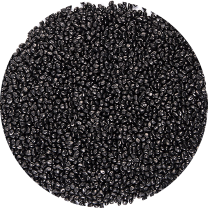
If you are interested in our products, please consult us
CONTACT DETAILS
- Address : 11-1, No. 600 Tongjiang Middle Road, Xinbei District, Changzhou City, Jiangsu Province
- Whatsapp : 0086-13775276672
- Tel: 0086-13401333666
- Email: [email protected]
QUICK LINK
NEWS CENTER
MOBILE TERMINAL
Copyright © Changzhou Runyi New Material Technology Co., Ltd. All Rights Reserved.
Custom China Antibacterial Masterbatch


 CONTACT US